The terms get used interchangeably, but they describe different things. If you're planning an intimate wedding and trying to figure out which format fits, the distinction matters — because the experience of each is genuinely different.
The Definitions
An elopement is a couple-first wedding, with up to 10 guests welcome for the ceremony and brief send-off. After that, the evening is just the couple.
A micro wedding is up to 25guests. A small, intentional guest list — people you actually know, people you want to spend the whole day with. It has more of the structure of a traditional wedding (ceremony, dinner, photographs) but none of the sprawl.
Neither is a budget compromise. Both are intentional choices about what kind of day you want to have.
What an Elopement Looks Like at Fernwood Hills
The forest setting at Fernwood is made for this. A ceremony in the trees — just the two of you, your officiant, and whoever you want beside you. Photographs in the forest afterward, then dinner at the Farmhouse together. A night in the Adler Cabin or the Bracken Cabin to end it.
No timeline pressure. No seating charts. No one you felt obligated to invite. The day stays small by design.
Elopements at Fernwood Hills start at $3,200.
What a Micro Wedding Looks Like at Fernwood Hills
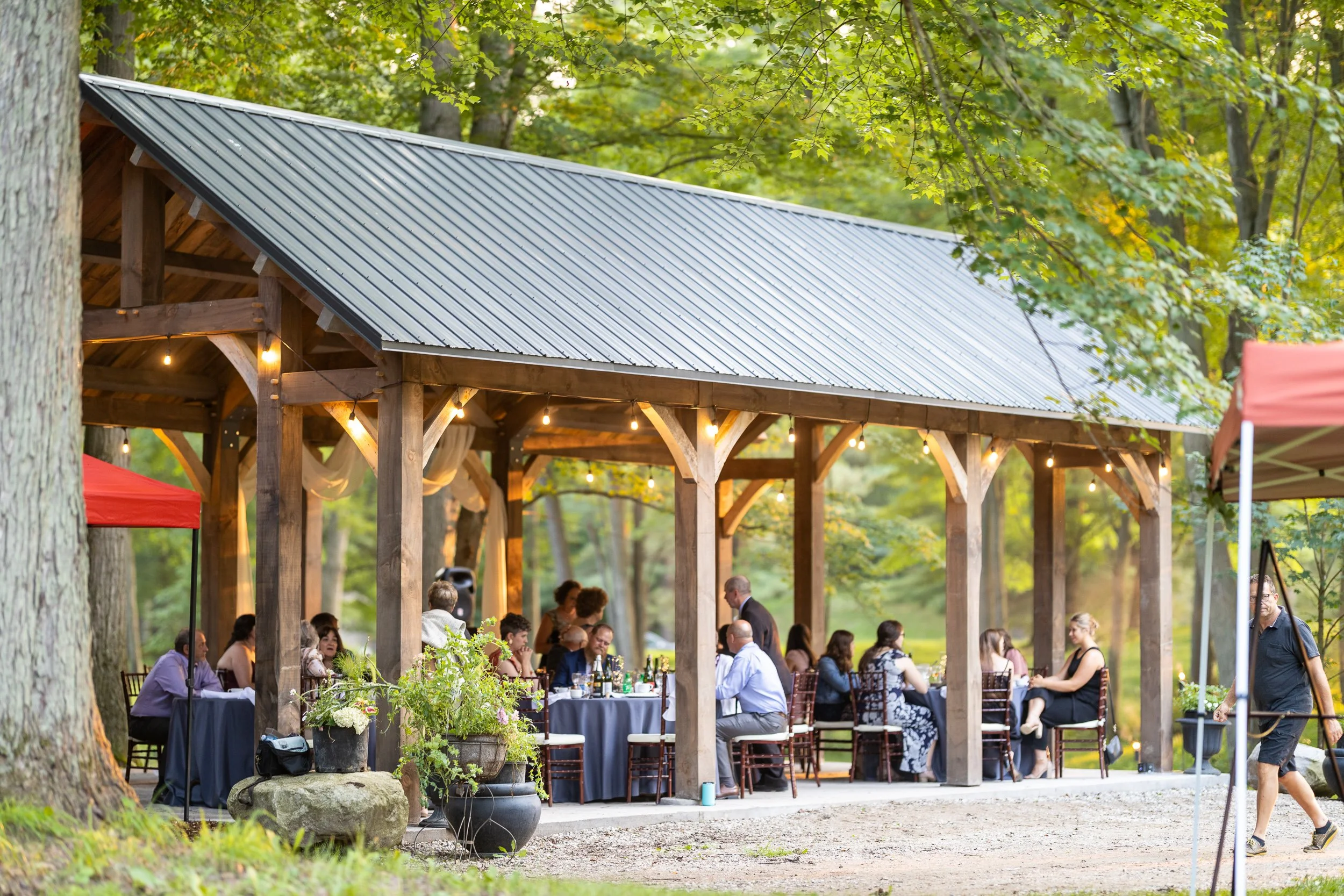
Up to 25guests changes the experience significantly — in the best way. A forest ceremony, followed by cocktails on the Farmhouse deck. Dinner inside around the long harvest table. People mingling, laughing, actually talking to each other. No banquet hall, no hired DJ, no production.
With a guest list this size, you talk to everyone. That doesn't happen at a wedding of 100. The conversations are real. By the end of the night, every person in the room has had a real moment with you — not a handshake in a receiving line.
Micro Weddings at Fernwood Hills start at $4,600. Ceremony Only starts at $2,000.
Why Couples Are Choosing This Over Traditional Weddings
This isn't a trend driven by budget pressure. Many couples who could afford a large wedding are choosing not to have one. The reasons come up again and again:
- They don't want to spend the year before their marriage managing vendor relationships and seating charts
- They want a day that feels like them, not a template
- They want to actually be present — not performing for 150 people they haven't seen in years
- They want the location to be part of the memory, not just a backdrop
The setting is part of what your guests remember. Centerpieces get forgotten. A forest in October, a fire at dusk, a table set for 20 — that stays with people.
The Experience Difference
At a traditional wedding, the couple spends most of the day being managed — by photographers, coordinators, caterers, timelines. There's very little time that belongs just to you.
At an elopement or micro wedding, the day moves at your pace. You eat when you're hungry. You take photographs when the light is right. You linger at the table because the conversation is good. That difference sounds small. It isn't.
How to Decide
Start with the guest list, not the location. Write down the names of everyone you genuinely cannot imagine not being there. If you want up to 10 guests for the ceremony and a private evening afterward, an elopement is right. If it's 11–25 guests for a fuller gathering, a micro wedding gives you the space to include them without losing the intimacy.
The setting follows from that number. Fernwood holds up to 25guests for a ceremony and dinner — with the Timber Pavilion, the outdoor fire pit, and 40 acres of Carolinian forest.
If you're still figuring out which format fits, the best starting point is a conversation. Tell us what you're imaginingand we'll help you think through the details.